Understanding the Cost of Barb Wire Fence Installations
An overview of the factors influencing the expenses associated with barb wire fence installations, including materials, labor, and site conditions.
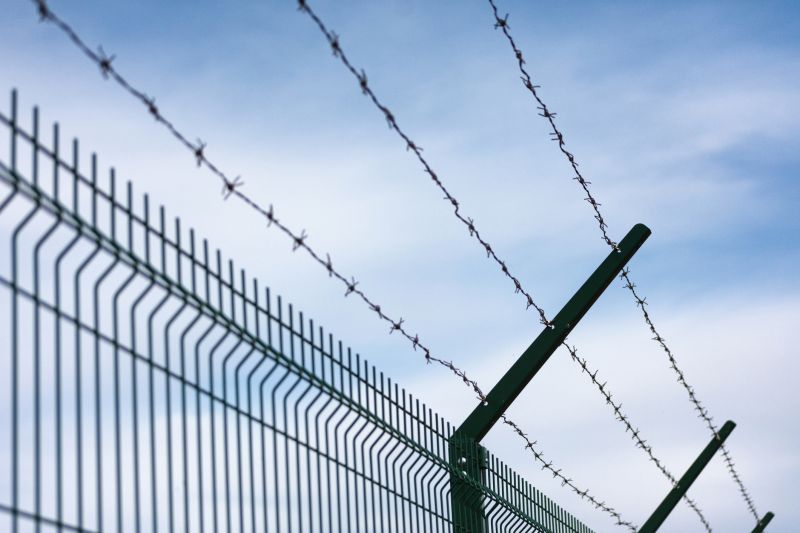
Different grades of barb wire and fencing materials impact overall costs significantly.
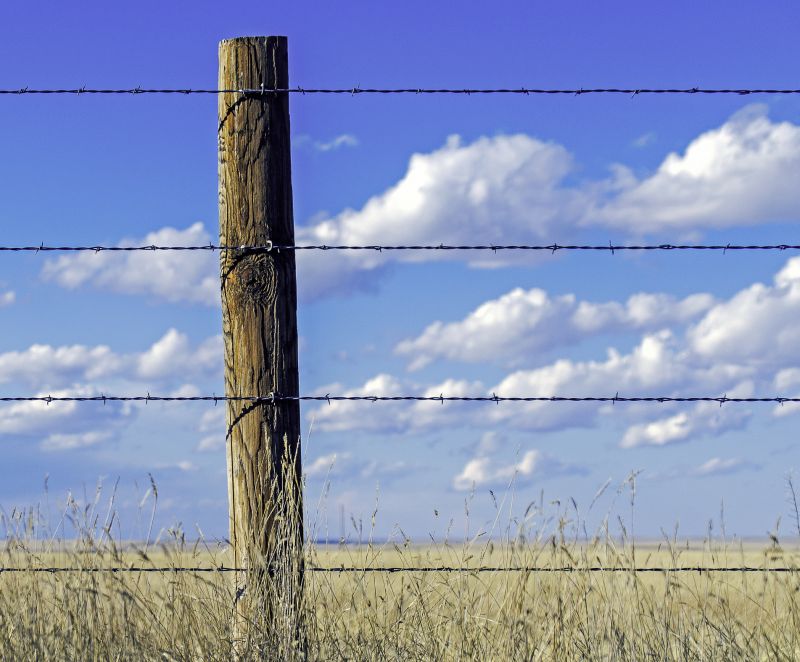
Longer and taller fences require more materials and labor, increasing expenses.
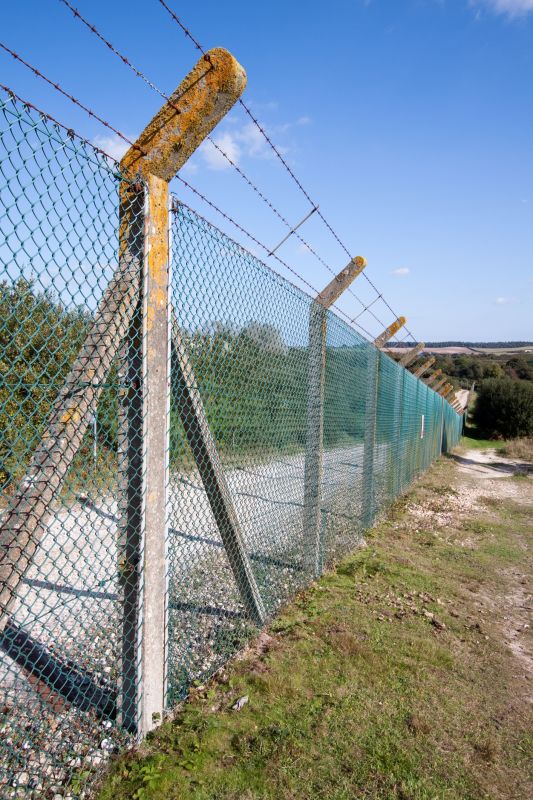
Challenging terrains or hard-to-reach locations can add to installation costs.
| Factor | Impact on Cost |
|---|---|
| Material Type | Higher-grade wire increases price |
| Fence Length | Longer fences cost more |
| Fence Height | Higher fences require more materials |
| Labor Complexity | Difficult terrain raises labor costs |
| Post Spacing | Tighter spacing increases material use |
| Permits and Regulations | Can add to overall expenses |
| Location | Remote areas may incur higher transportation costs |
| Installation Time | Longer projects increase labor costs |
Additional costs may include permits, site preparation, and potential modifications to existing structures. Understanding these components helps in budgeting effectively for a barb wire fencing project, ensuring that all necessary aspects are accounted for.
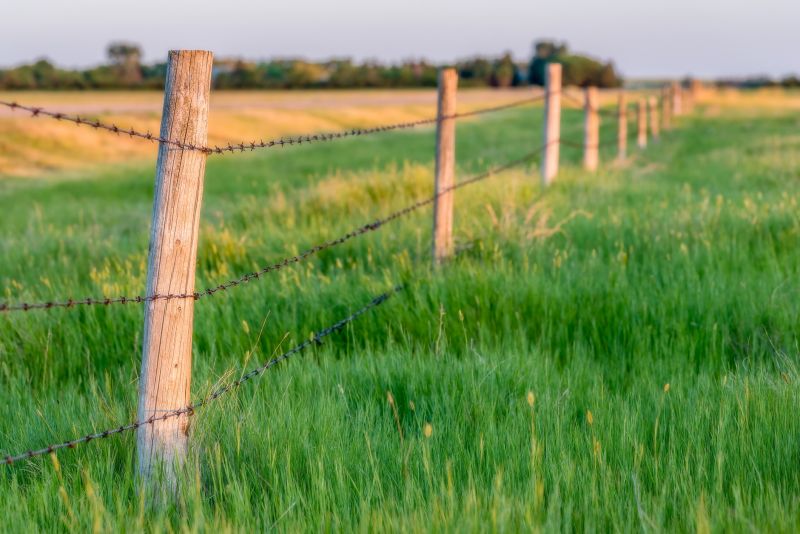
Cost varies based on post material and spacing requirements.
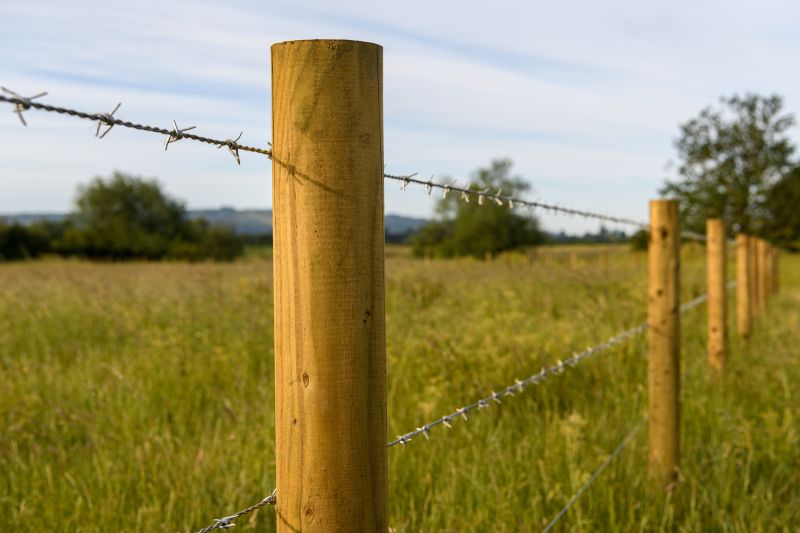
Proper tensioning ensures durability and safety, affecting labor costs.
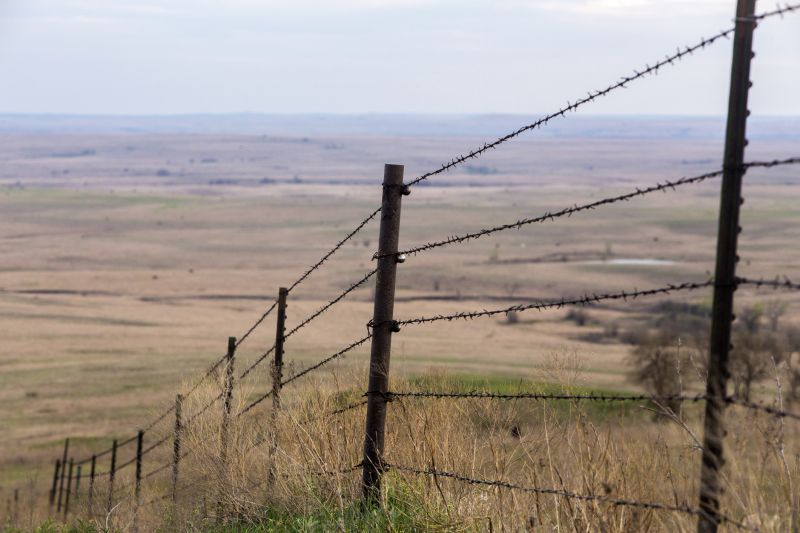
Adding gates or access points impacts overall project pricing.
| Service | Average Price Range |
|---|---|
| Basic Barb Wire Fence | $5 - $8 per linear foot |
| Taller Fence (6+ feet) | $7 - $12 per linear foot |
| Fence with Gates | $10 - $15 per linear foot |
| Post Installation | $3 - $6 per post |
| Fence Repair | $4 - $9 per linear foot |
| Permitting and Inspection | $50 - $200 |
| Site Preparation | $200 - $1,000 |
| Custom Modifications | Varies based on scope |